One roll. Every day. No excuses.

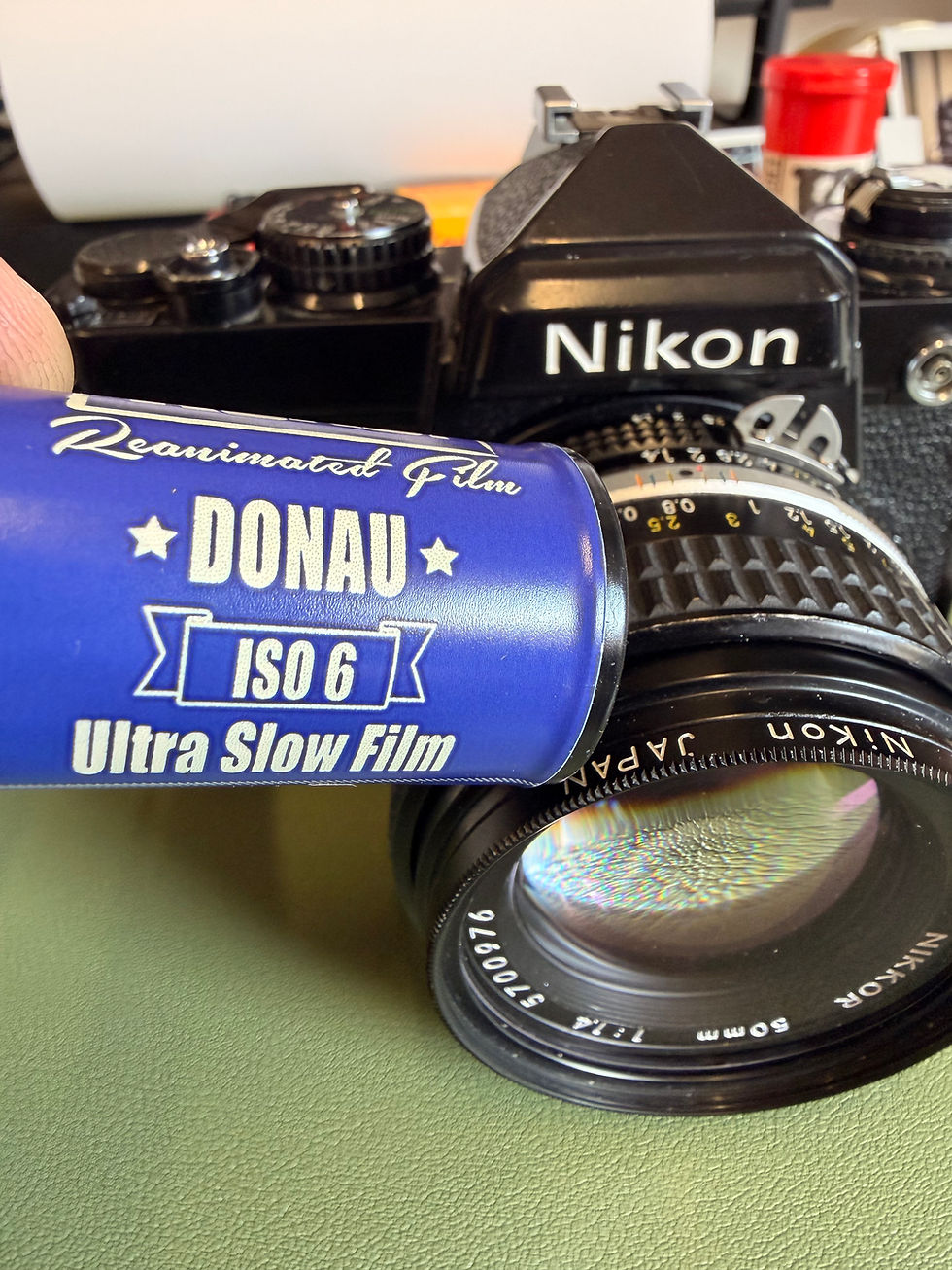
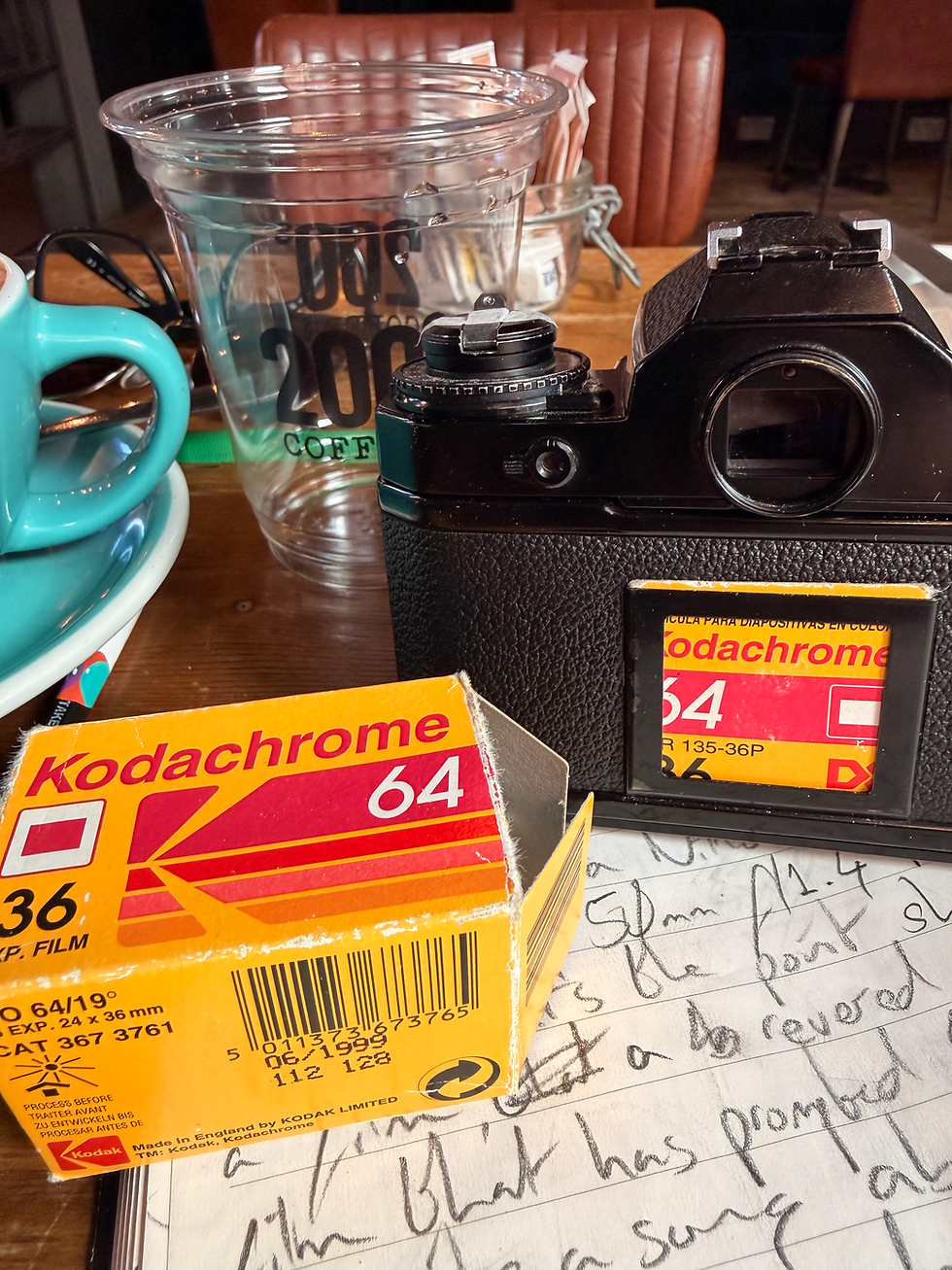
For two weeks, I decided to shoot a roll of black and white film every day.
That was the rule.
One roll. Every day. No excuses.

Of course, it didn’t stay that clean. Some days it was two rolls. Once or twice, three. But the intention held: go out, walk, look, and make photographs. Not for a project. Not for a client. Not even really for a “series.” Just for the sake of it.
It started simply enough. The same walks I always take. The same routes, the same corners, the same slightly uneven pavements and familiar shortcuts. Places I could probably navigate half-asleep.
And that was the point.
Because when you return to the same place, over and over again, something shifts. Not in the place, but in you.

At first, I was looking for photographs.
Compositions. Shapes. “Good” light.
The usual things we tell ourselves matter.
But after a few days, that urgency dropped away.
You realise quite quickly that the scene you photographed yesterday will still be there tomorrow. The tree doesn’t mind. The alley doesn’t care. The building isn’t waiting for you to get it “right.”
So you stop chasing.
And you start noticing.
The light, more than anything, becomes the subject.
Morning light that feels tentative, like it hasn’t quite decided to stay.Midday light that flattens everything into honesty.Evening light that forgives, softens, drifts.
The same wall becomes ten different walls.The same street, ten different moods.
A photograph you didn’t take yesterday appears today, not because the place changed, but because the light did. Or because you did.
There’s a strange freedom in repetition.

We often think creativity lives in new places, new landscapes, new cities, new experiences. And sometimes it does. But there’s a quieter kind of creativity that comes from staying put.
From returning.
From accepting that you might photograph the same doorway twenty times and only like one frame, and even that one might not be particularly special.
But it doesn’t matter.
Because somewhere along the way, the act itself becomes enough.
Shooting film every day does something else, too.
It removes the hesitation.
There isn’t time to overthink. You load the roll, you walk, you shoot. You trust your instincts, or you ignore them, or you do something halfway between the two.
Some frames are careless. Some are considered. Most sit somewhere in the middle.
But all of them are done.
And that feels important.
There were days when nothing seemed worth photographing.
Flat light. Familiar scenes. A general sense of what’s the point?

But those days mattered just as much.
Because they forced me to shoot anyway.
To make something out of very little.To pay attention when there didn’t seem to be anything to pay attention to.
And occasionally, quietly, unexpectedly, something would appear.
A shadow cutting across a wall.A reflection you hadn’t noticed before.A moment that felt like it had been waiting.
By the end of the two weeks, I wasn’t really thinking about photographs anymore.
I was thinking about walking.
About looking.About being present in a way that felt uncomplicated.
The camera became lighter. Not physically, but mentally.
It stopped being a tool for making something good, and started being a way of noticing what was already there.

I don’t know if the work itself is any good.
Some of it is. Some of it isn’t. Most of it sits somewhere in between.
But that doesn’t feel like the point.
The point is that, for two weeks, I remembered why I started doing this in the first place.
Not for outcomes.Not for projects.Not for anything particularly grand.
Just for the quiet joy of walking through the world and paying attention.
And I think I’ll keep going.
Massive thanks to the Not Quite North team, who had the task of scanning all the films and making them look as beautiful as possible. I developed all the films by hand in my studio at the Barbican Creative Hub and at home, with my biggest critic, Betty the Cat, watching.

Comments