Mastering the Art of Film Photography

There’s something undeniably magical about capturing moments on film. The tactile feel of loading a roll, the suspense of waiting to see how your shots turn out, and the unique grain and colour that only analogue can deliver. If you’ve ever felt drawn to the charm of film, you’re in the right place. I’m here to share some practical insights and little nuggets of wisdom that have helped me embrace this timeless craft. So, grab your camera (or just your curiosity) and let’s dive into the world of film photography.
Getting Started with Film Photography Tips
First things first: choosing the right camera. It’s tempting to go for the latest digital gear, but if you want to master film, you need to get familiar with the classics. Think about cameras like the Canon AE-1, Nikon FM2, or even a trusty old Leica if you’re feeling fancy. These cameras are built to last and offer manual controls that really teach you the fundamentals of exposure and focus.
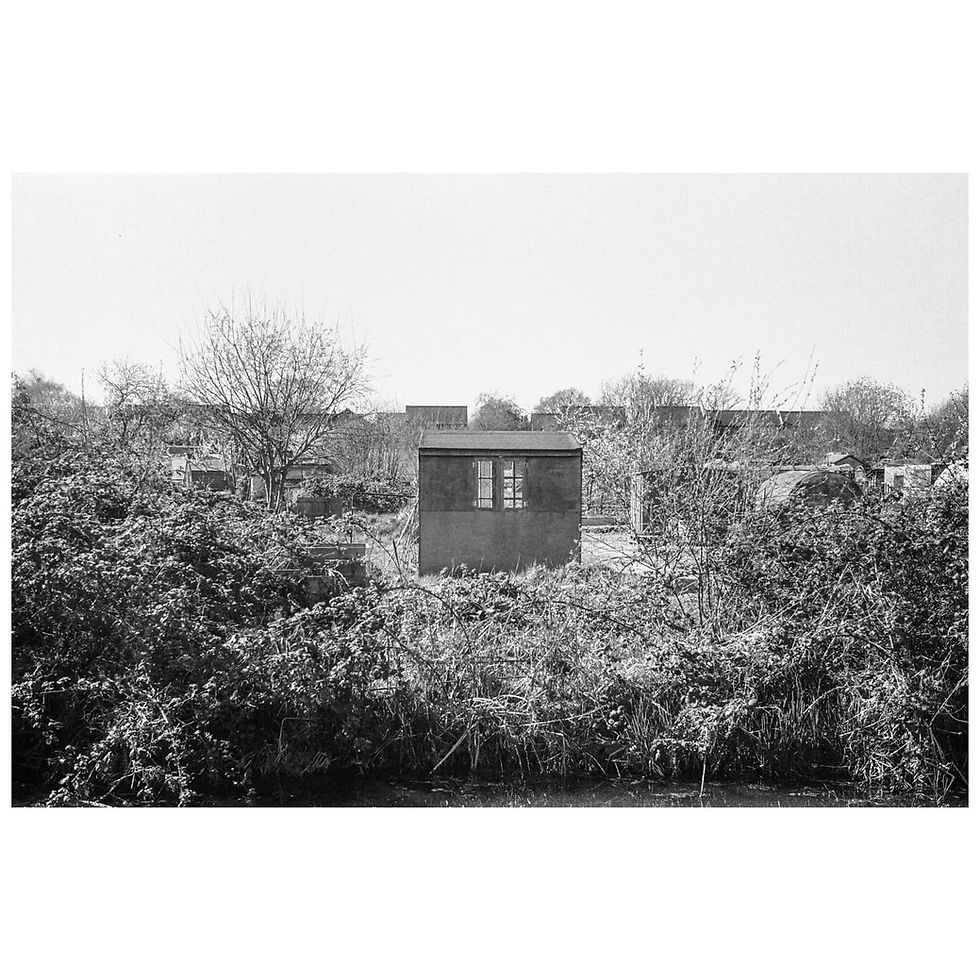
Once you’ve got your camera, the next step is picking your film. There’s a whole spectrum of options here, from black and white to colour, and from ISO 100 to 800 and beyond. Lower ISO films are great for bright, sunny days and produce finer grain, while higher ISO films shine in low light but come with more noticeable grain. Don’t be afraid to experiment; each film type has its own personality.
Loading your film correctly is crucial. It might seem straightforward, but a misstep here can ruin your entire roll. Always do it in a dimly lit room to avoid accidental exposure. And remember to advance the film properly after each shot to avoid double exposures (unless you’re going for that artistic effect).
Essential Film Photography Tips for Better Shots
Now, let’s talk about some tips that will elevate your film photography game:
Meter your light: Many vintage cameras don’t have built-in light meters, so carrying a handheld meter or using a smartphone app can be a lifesaver. Proper exposure is everything in film.
Manual focus is your friend: Autofocus is a modern convenience, but manual focusing forces you to slow down and really compose your shot.
Shoot in natural light: Film loves natural light. Early morning and late afternoon (the golden hours) provide soft, warm tones that make your images sing.
Bracket your shots: Take multiple shots at different exposures. Film is precious, but this technique helps ensure you get the perfect exposure.
Keep notes: Jot down your settings and conditions for each roll. It’s a great way to learn what works and what doesn’t.
One of the best parts about film is the unpredictability. Sometimes, a shot you thought was a dud turns out to be a masterpiece. Embrace the surprises.
What is the 20 60 20 Rule in Photography?
You might have heard about the 20 60 20 rule in photography, and it’s a handy guideline for composition. The idea is to divide your frame into three horizontal sections:
20% foreground: This adds depth and context to your image.
60% middle ground: The main subject or action usually sits here.
20% background: This balances the composition and provides atmosphere.
Applying this rule helps create balanced, engaging photos that draw the viewer’s eye naturally through the scene. It’s especially useful in landscape and street photography, where layering elements can add richness to your images.
Try experimenting with this rule next time you’re out shooting. You don’t have to stick to it rigidly, but it’s a great starting point for thinking about how to arrange your frame.

Developing Your Film: DIY or Lab?
Once you’ve shot your roll, the next big step is development. You can either send your film to a professional lab or try developing it yourself at home. Both have their perks.
Using a lab is convenient and ensures consistent results, especially if you’re new to film. Many labs also offer scanning services, so you get digital copies of your negatives.
Developing at home is a rewarding process that gives you full control over your images. It’s a bit of a science experiment - mixing chemicals, timing your dips, and watching your images appear in the developer tank. If you’re interested in experimental film processes, this is where you can really get creative.
For black and white film, the process is simpler and more forgiving. Colour film development is trickier but totally doable with the right equipment and patience.
Whichever route you choose, always handle your negatives carefully. Store them in archival sleeves away from light and moisture to preserve your work.
Embracing the Artistic Side of Film Photography
What really draws me to film is its ability to capture something intangible - a mood, a memory, a feeling. It’s not just about technical perfection but about storytelling. When you shoot on film, you slow down. You think more about light, composition, and emotion.

If you want to push your creative boundaries, try experimenting with different film stocks, cross-processing, or even expired film. These techniques can produce unexpected colours and textures that digital just can’t replicate.
Also, consider the presentation of your work. Prints on fibre-based paper, framed negatives, or even handmade photo books can elevate your images into true art pieces. This is where film photography really shines in cultural and artistic circles.
Film photography is more than just a medium - it’s a journey. From the click of the shutter to the final print, every step invites you to slow down, observe, and create with intention. Whether you’re capturing a quiet street corner or a sweeping landscape, the magic of film lies in its imperfections and surprises. So, why not pick up a camera, load a roll, and see where it takes you? You might discover a new way of seeing the world.

Comments